STC Certification for Aircraft Modifications: Understanding When They’re Required
In aviation, every modification must meet exacting standards to ensure safety, reliability, and long-term airworthiness. Whether it is a mission system integration, an avionics change, or a cabin reconfiguration, regulatory approval is a crucial part of the process. One of the most common and most important approval pathways is the Supplemental Type Certificate, or STC.
As a Transport Canada approved Design Approval Organization (DAO No. 17-O-02), iAERO has extensive experience engineering, testing, and certifying aircraft modifications for operators across defense, law enforcement, medevac, and special mission sectors. This article explains what STCs are, when they are required, who can authorize them, and how iAERO supports operators through the entire certification lifecycle.
What Is an STC?
A Supplemental Type Certificate is an approval that authorizes a change to an aircraft beyond its original type design. It confirms that the modification meets all applicable airworthiness requirements and can be safely incorporated into the aircraft throughout its service life.
For operators, an STC provides something essential: the assurance that a modification has been engineered, validated, and certified to recognized regulatory standards. It is the industry’s way of ensuring that every change, from structural enhancements to mission equipment installations, is airworthy and fully documented.
Who Can Authorize an STC?
STCs can only be issued by a national aviation authority. These regulatory bodies are responsible for reviewing the engineering, testing, and compliance data that supports the modification, and for confirming that the aircraft will continue to meet all applicable airworthiness requirements after the change is installed.
The primary authorities include:
- Transport Canada Civil Aviation (TCCA)
- The Federal Aviation Administration (FAA) in the United States
- The European Union Aviation Safety Agency (EASA) in Europe
Although the regulator issues the final STC, the detailed certification work that supports it is performed by authorized design organizations. These organizations must meet strict oversight requirements and hold formal approval to develop engineering data, conduct analysis and testing, and prepare complete certification packages.
As a Transport Canada approved Design Approval Organization (DAO No. 17-O-02), iAERO is authorized to develop approved engineering data, conduct compliance demonstrations, prepare certification documentation, manage the approval process directly with the regulator, and provide operators with all documentation needed for installation and continued airworthiness.
In simple terms, the regulator signs the certificate, and an approved organization like iAERO performs the specialized engineering work that makes that certification possible.
When Is an STC Required?
While minor changes can be approved through simpler pathways, many modifications require the formality and rigor of an STC. In most cases, this occurs when a modification affects the aircraft’s structure, systems, performance, or intended use.
Structural or Airframe Modifications
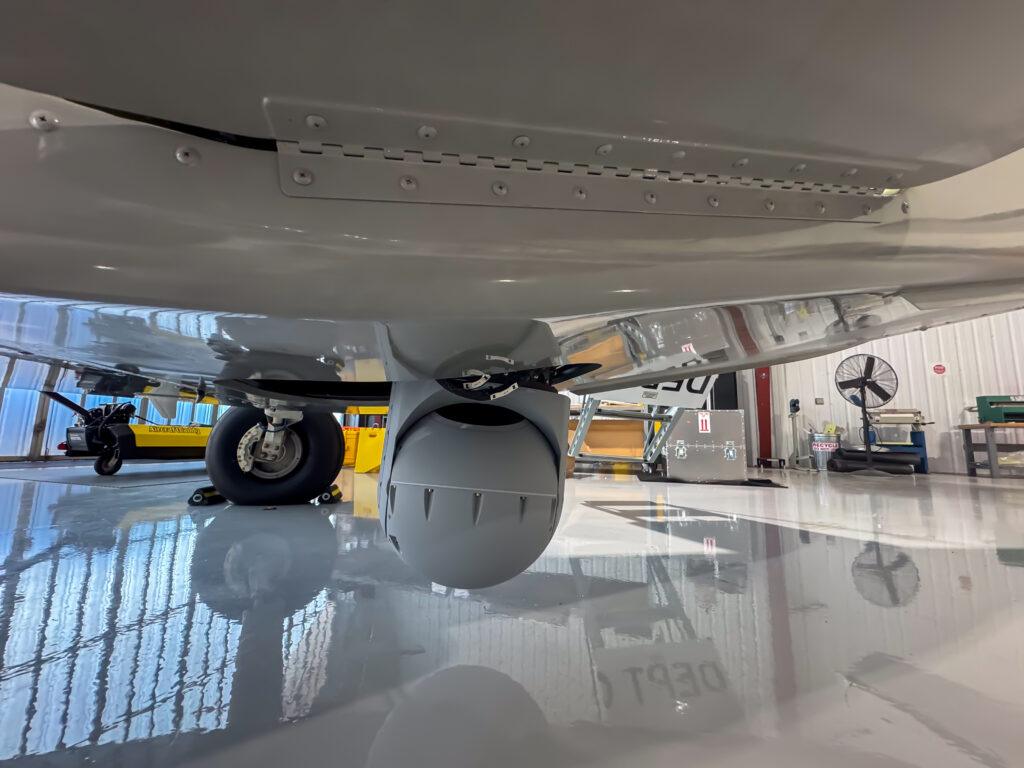
Any change that alters load paths, introduces new structure, or modifies the aircraft’s exterior will typically require an STC. Installing an EO/IR turret, reinforcing fuselage frames for a radome, or adding a mission equipment rack tied into primary structure are examples of modifications that introduce engineering considerations requiring certification.
Mission Systems and Avionics Installations
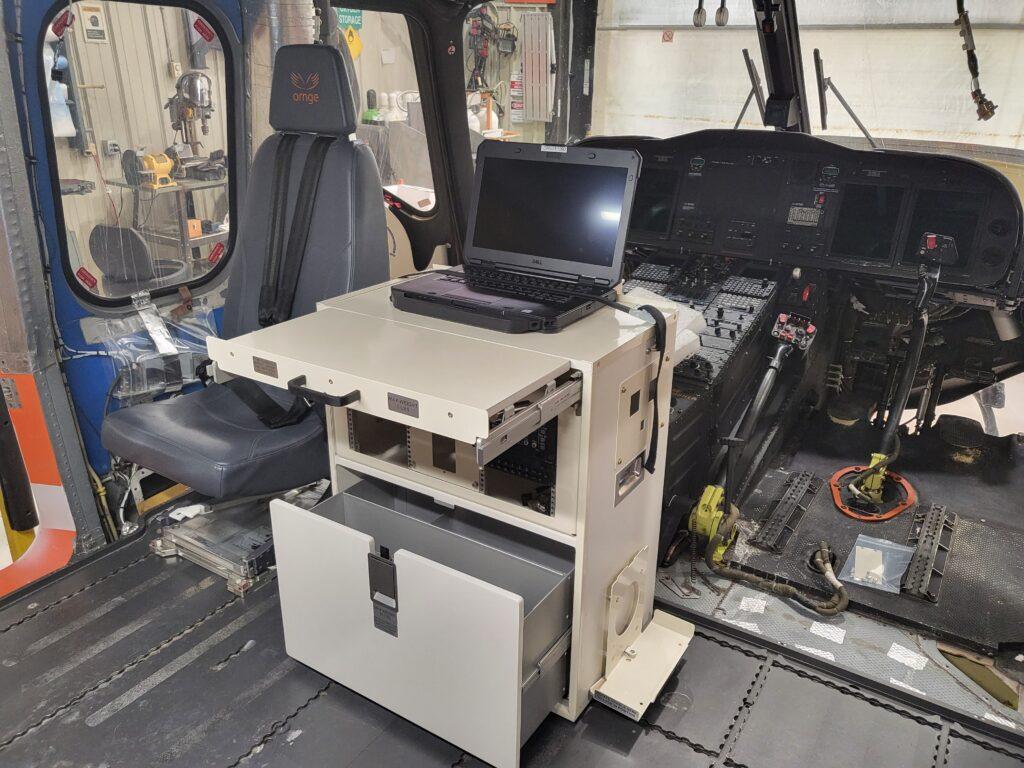
Modern mission equipment often interacts with aircraft power, communications, navigation, or displays. Integrating a digital vibration gauge, installing a tactical radio suite, or adding surveillance hardware usually requires a certified path to ensure electrical loading, EMI performance, and operational impacts are properly evaluated.
Mechanical, Electrical, and Powerplant Changes
Modifications to essential systems such as upgrading alternators, routing new wiring for mission power, or installing inverter systems require an STC because they directly influence aircraft performance and safety margins.
Interior Reconfigurations Beyond Cosmetics
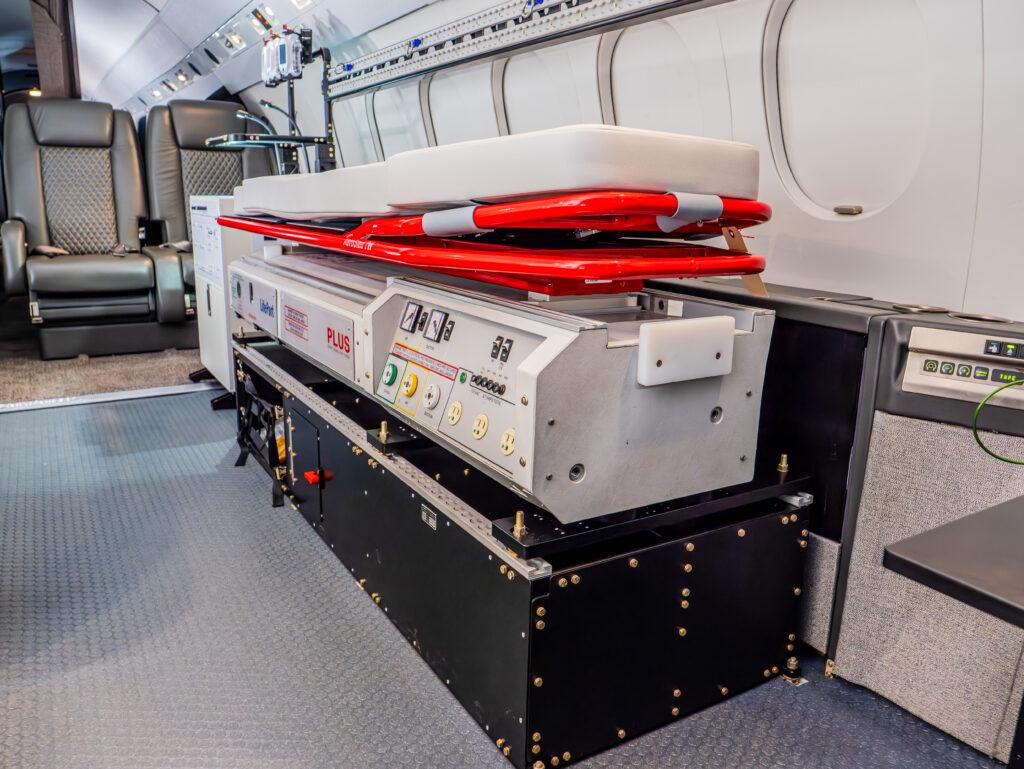
When interior changes affect safety equipment, structure, or aircraft systems, they must be certified. Medevac interiors, mission workstations, seat rail relocations, or reconfiguring crew and passenger layouts all fall into this category.
Installations That Introduce New Loads or Safety Considerations
Even seemingly small components like searchlights, antennas, or camera mounts may require an STC if they change drag, introduce structural loads, or interact with electrical or flight systems.
Special Mission Conversions
Any modification that changes the aircraft’s operational intent, such as converting a platform for ISR operations, EMS missions, or aerial survey, generally requires certification to confirm the aircraft remains compliant in its new role.
Why STCs Matter to Operators
For operators, STCs are far more than paperwork. They provide a foundation of safety, reliability, fleet standardization, and long-term asset protection that directly affects mission readiness and operational efficiency.
STCs ensure regulatory compliance, keeping the aircraft legal to operate across jurisdictions and simplifying inspections, audits, and maintenance oversight. They also create repeatability, which allows a certified design to be installed consistently across an entire fleet. This supports standardization, predictable training, and consistent mission capability.
From a financial perspective, certified modifications protect long-term asset value. Aircraft with STC backed changes retain stronger resale potential, and the approved data and documentation provide clarity to buyers, regulators, and maintenance organizations.
Operators also benefit from the engineering assurance that comes with certified data. Because an STC is built on validated analysis and test results, operators know how a modification will perform under load, in varied environments, and throughout the aircraft’s service life. This reduces operational risk and improves mission confidence.
Every STC also includes approved documentation for continued airworthiness. This ensures long-term supportability with clear instructions for maintenance, troubleshooting, spares, and future updates. Finally, STC certified aircraft are more versatile. Many government tenders, cross border operations, and contract requirements specify that modifications must be certified. With an STC in place, operators face fewer administrative barriers and have greater flexibility in how and where they deploy their aircraft.
iAERO’s STC Services
iAERO provides a complete, end to end pathway for STC development. Our team manages the entire process from design and feasibility assessments to engineering, manufacturing, testing, installation, and regulatory approval.
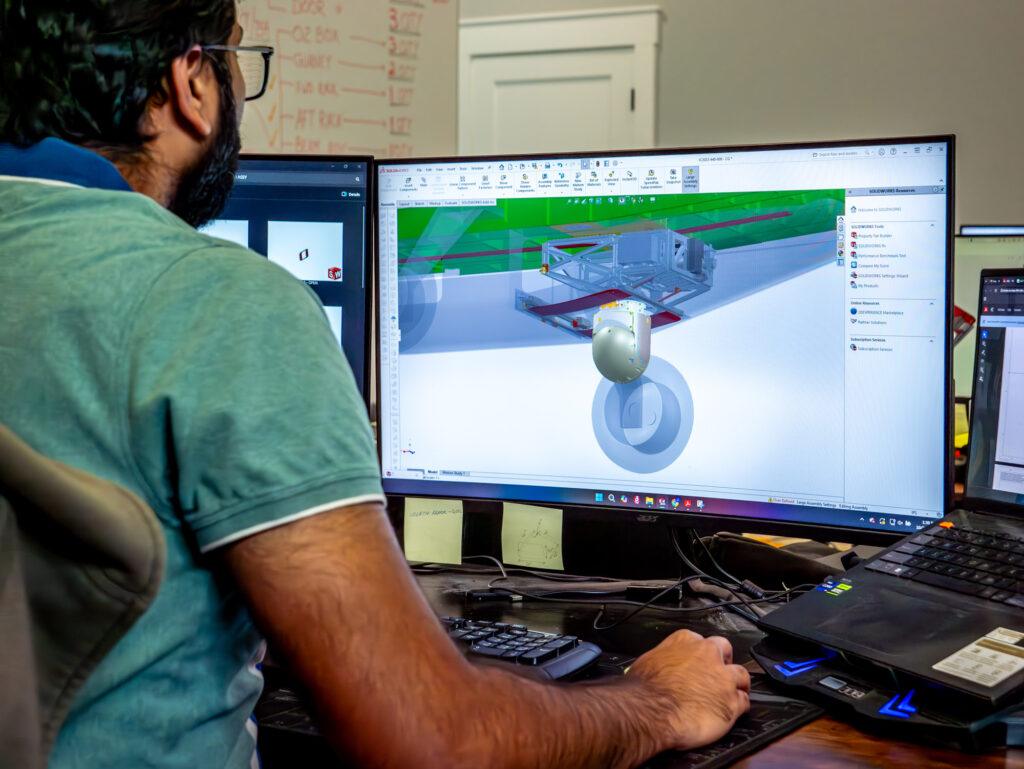
Our in house capabilities include structural, mechanical, electrical, and systems engineering, 3D design and modelling, rapid prototyping, environmental and functional testing, and full certification package development. We work directly with Transport Canada throughout the approval process and maintain clear communication with operators at every stage.
With manufacturing, CNC machining, composites, and installation performed under one roof at our Muskoka facility, iAERO ensures rapid turnaround, tight quality control, and seamless project execution. Once certified, we continue to support the modification with documentation updates, amendments, and fleetwide expansion.
Start Your Next Certified Modification With iAERO
From mission system integrations to avionics changes and special mission conversions, iAERO provides the expertise and regulatory authority required to bring complex aircraft modifications to life, safely and efficiently.